What Do You Need To Open A Bank Account? A Full Guide [2026]
If you’re new to Australia, or looking for better ways to manage your Australian finances, getting a bank account is pretty much essential. Maybe you’re moving to Australia to work or study, opening an Australian business, or a regular visitor who needs ways to hold, receive, send and spend dollars easily.
Opening an Australian bank account should be pretty easy as long as you have all the right documents to hand. This guide walks through everything you normally need to open a bank account in Australia, plus we’ll look at some alternatives like Wise and Revolut which offer online accounts you can open from all over the world.
Table of Contents
- What do you need to open a bank account online?
- How to open a bank account in Australia?
- How much does it cost to open a bank account?
- What do you need to open a bank account if you’re under 18
At a glance: Opening a bank account in Australia
- Standard requirements: Most banks require one primary photo ID (like a passport) or two secondary documents, alongside proof of a valid Australian residential address.
- Proof of address: You will typically need a utility bill, bank statement, or government letter issued within the last 6 months to verify where you live.
- Online options: While some banks allow online applications for residents with local ID, specialists like Wise and Revolut offer digital onboarding that can often be completed before you even arrive in Australia.
- Business & minors: Opening a business account usually requires an ABN and a branch visit, while minors under 18 can often open accounts with simplified ID requirements or parental oversight.
- Cost & fees: Most basic accounts are free to open, though you should compare ongoing transaction fees and international transfer costs, which are often lower with digital providers.
What documentation do you need to open a bank account?
Exactly what’s needed to open a bank account in Australia may vary a little depending on the account type you pick, and the bank or provider you want to use. There are also some variances based on your own personal situation – for example, if you’re a US citizen or a US resident you may need some extra details and documents to get started.
All that said, as all Australian banks must comply with the same local and global financial regulations, the documents required tend to be fairly similar.
Here are the documents you’ll need to be able to open a bank account:
- Valid proof of identity – usually a government issued photo ID
- Proof of meeting any other eligibility criteria – proof of student status for a student account, for example
In addition, you’ll usually need to have an Australian residential address to open a bank account. Depending on the bank in question, you might be asked to prove this address using one or more documents.
What identification is needed to open a bank account?
To prove your identity and open an Australian bank account you may be asked to provide either one primary ID, or at least 2 secondary ID documents. Documents must show your full name and either your date of birth or your address.
Primary identification documents usually accepted when opening an Australian bank account include:
- Australian or foreign passport
- A full Australian driving licence or learner’s permit
- Australian Proof of Age or photo identification card
- International National Identification Card
- Australian Firearms/Shooting/Explosives Licence
Secondary identification documents usually accepted when opening an Australian bank account include:
- Birth certificate or citizenship certificate
- Medicare card
- Foreign driving licence
- Official Australian government correspondence such as a letter from the ATO or Electoral Commission
If you don’t have any of the suggested documents, some banks can consider alternatives if you call them directly.
Proof of address: What is required to set up a bank account?
To open an account in Australia, you’ll typically need to provide one or more documents to prove your residential address. Banks are usually strict about the types of paperwork they accept and how recent those documents must be.
The document must show your full name and current Australian residential address and be less than 6 months old. Common examples include:
- Australian electoral enrolment
- Australian motor vehicle registration
- Australian rates or land valuation notice
- Utilities account or bank statement
- Mortgage papers, current lease or tenancy agreement
- Other evidence from a reputable organisation
PO Boxes aren’t usually accepted as a valid residential address, as you need to provide a physical street address. If you are a new arrival and haven’t secured permanent housing, some banks may allow you to use a temporary address (like a hotel or short-term rental) for a limited time, though you will eventually need to provide standard proof.
Save the paperwork with online solutions like Wise or Revolut
As you can see, the documents required by Australian banks may be tricky to find if you’re new to the country or simply don’t have Australian issued correspondence or paperwork. If you don’t have the standard documents suggested, the chances are that you’ll need to visit a branch to get your account opened – which can be time consuming and inconvenient.
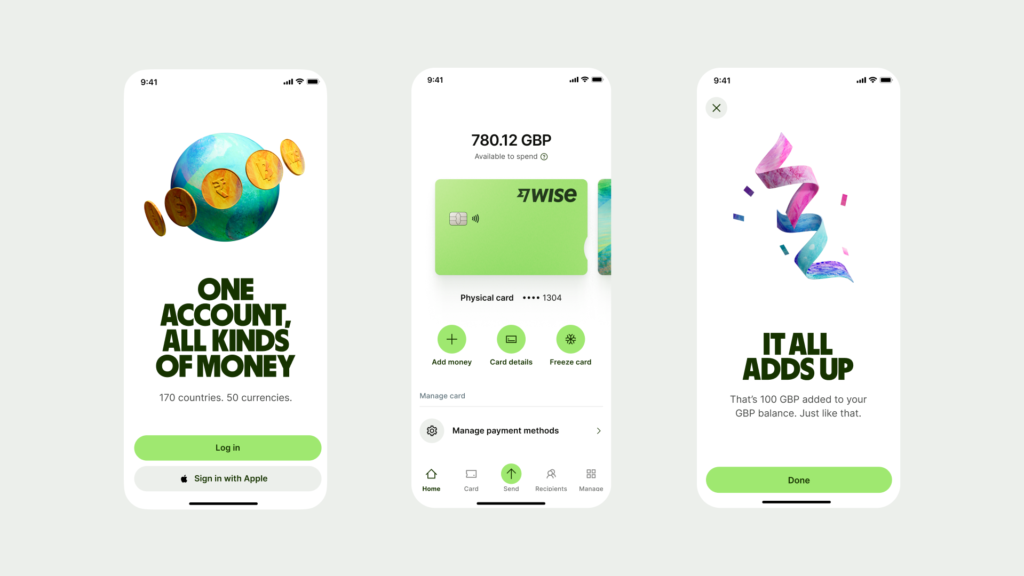
As an alternative, check out digital providers like Wise or Revolut, which offer a fully online onboarding and verification process. All you’ll need to do is register an account online or through an app, and upload images of your documents, which can often be verified instantly – or at least pretty quickly, so you can start using your account. However in certain cases this could take additional time.
Online providers like Wise or Revolut are also able to accept proof of address documents from a good range of countries, which can be easier if you’ve just arrived in Australia or if you’re trying to get your account set up before moving. Just use your normal home proof of ID and address, and access an account which can be used to hold, send, spend and exchange Australian dollars, even before you get settled in Australia.
What do you need to open a bank account online?
Some Australian banks allow customers to open a bank account online or through their apps. However, this is only usually possible if you’re over 18 and have standard ID documents, plus an Australian residential address. You may still need to visit a branch, make a call, or complete other checks like recording a short video to prove you’re really who you say you are.
Learn more about how to open a bank account online here.
Alternative providers like Wise and Revolut allow customers to open an account completely online or in an intuitive app, which can be a smooth, and often fast, process.
Here is what you’ll usually need to open an account online with an Australian bank:
- Proof of ID – an Australian passport, Australian visa in a foreign passport, Medicare card or Australian driving license
- Australian address
Alternative providers may have more flexible ways to apply for an account online or through an app, usually requiring customers to upload one or two documents, and take a selfie. Here are a couple to consider:
Wise Account: Open an account online or in the Wise app, to hold and exchange 40+ currencies, and get a linked payment card for spending and withdrawals in 150+ countries. Wise accounts come with local bank details for 8+ currencies to receive free non-wire, non-Swift domestic payments conveniently.
Customer review: Wise
“Really happy. Have been using ‘Wise’ for a while now and it’s so much easier and faster* than any other bank I’ve used. No issues with currencies and super fast transfers* – both internally and externally. Definitely recommend.” – Marta*
*Customer name changed for privacy. The customer was not paid to share a review. Review taken from Trustpilot on March 2026.
*The speed of transaction claims depends on individual circumstances and may not be available for all transactions. Customers were not compensated in exchange for their statements, results may vary based on individual circumstances.
Click here to read a complete Wise review [2026]
Revolut Account: Open a free Standard Revolut account, or upgrade to a fee paying account for up to 28.99 AUD/month, depending on your preference. All accounts can hold and exchange 30+ currencies, and depending on your account tier you may also get investment options, travel perks and more.
Customer review: Revolut
“I’ve been using it for several years now and I’ve never had any problems, domestic and international transfers are processed quickly, the app is easy to use, I’m sticking with Revolut and I recommend it to everyone.” – Peter*
*Customer name changed for privacy. The customer was not paid to share a review. Review taken from Trustpilot on March 2026. Customers were not compensated in exchange for their statements, results may vary based on individual circumstances.
Click here to read a complete Revolut review [2026]
How to open a bank account in Australia?
Let’s walk through the steps to open a bank account in Australia. The exact process you follow may vary a little depending on the bank and specific account you pick – but here’s a handy overview to build a picture:
- Choose a bank or a provider to open an account with: account features and fees vary widely, so picking the right one for you will require a bit of research. Look at a mix of big highstreet bank brands and more modern alternatives, to find the right match for you.
- Make sure that you’re eligible to open an account with them: different accounts have their own eligibility criteria, which may include a credit check, minimum salary or deposit requirements, or proof of student or employment status.
- Choose the right account for yourself: by comparing a few different accounts you can find one which offers the services you need, conveniently – and with low fees for the transactions you make frequently.
- Put the required documentation together: bank accounts may require you to have several documents to get started – make sure you know what your preferred provider needs, and have everything to hand before you start your application.
- Apply to open an account: finally you can make your application – online, in app, by phone or in a branch. You’ll get your account paperwork and card in person, or through the post a little later, depending on how you apply.
Writer’s tip: Nailing your bank account application
If you apply online before arriving, keep an eye on the activation window. Many banks allow you to start an application 14 days before you land, but you often must visit a branch in person within 20 days of opening to verify your ID. If you miss this deadline, the bank may close the account, forcing you to start over.
To ensure a smooth visit, bring the exact passport used for your visa, as banks must match your details against official records. It’s also helpful to have your home country’s tax identification number (like an SSN or National Insurance number) and a printed copy of your visa grant notice to avoid any final verification hurdles.
Everyday vs savings accounts
Everyday accounts are normally used for day to day transactions and spending. They’re designed to make it easy to receive and spend, with linked debit cards and online and mobile banking options.
Savings accounts are usually aimed at people trying to build a nest egg – with higher interest rates, and sometimes more restrictive conditions. You may find you can only make a limited number of withdrawals – or even no withdrawals at all – if you want to continue to earn interest on your deposit.
| Everyday Accounts might be best: | Savings Accounts might be best: |
|---|---|
|
|
It’s worth remembering that even if you can’t open an everyday or savings account with an Australian bank, you can still consider online alternatives such as Wise or Revolut. Both Wise and Revolut offer flexible account optionswhich come with easy ways to hold, spend and exchange Australian dollars – and a selection of other currencies – with linked payment cards and other handy features.
Click here to read a complete Wise review
What to look for when choosing a bank account
You’re spoiled for choice when it comes to Australian bank accounts. However, that does mean you’ll have to invest some time in picking the right one for you. Here are some pointers to consider:
- Account fees: Some Australian accounts have no monthly fees, but transaction and service fees will usually still apply. Compare these carefully for the transactions you make often, to keep overall costs down
- ATM availability: If you’ll be withdrawing regularly, check where you can get local fee free ATM services, and the costs for out of network and international withdrawals too. Banks usually have fairly high international ATM fees – alternatives like Wise and Revolut have some fee free international withdrawals to keep costs down
- Online banking: Most banks offer online and in-app banking – check that the service you’re looking at is intuitive and offers the transactions you need to make online
- Debit cards: Contactless debit cards which offer mobile payments are quite common in Australia now – make sure you get a card you can use easily for the payments you’ll need to make
- International transactions: Finally, check the fees when you spend or send foreign currencies – these can be pretty high with banks – but specialist services like Wise and Revolut can often provide better exchange rates and more transparent fees
How much does it cost to open a bank account?
Basic bank accounts in Australia are usually free to open – but some banks will ask you to make a minimum deposit amount to get started. This can be just a few dollars for simple accounts – but for premium tier accounts, you may be asked to deposit or invest pretty staggering amounts.
Specialist account services can be a cheaper alternative:
- Wise Account: Open your Wise account for free, with no minimum deposit and no monthly fee to pay
- Revolut Account: Revolut accounts have no minimum deposits, with free standard plans, and higher tier accounts with a monthly fee up to 28.99 AUD
*Correct at time of writing – 18th March 2026
What documents do you need to open a business bank account?
Business bank accounts are essential as soon as you start to make or receive payments on behalf of your company. Even if you’re not legally obliged to have a business bank account – as a freelancer or sole trader for example, they can be a smart way to manage your personal and business finances efficiently.
To open an Australian business bank account you need:
- Proof of identity – such as a passport or driving licence
- Proof of address – like a utilities bill or bank statement. This may need to be an Australian address, depending on the bank
- Business documentation and information – varied by business entity type, including ASIC certificate, ABN, ACN or other relevant detail
It’s very common to need to visit a branch of a bank if you’re looking for a business account. Alternative online services like Wise and Revolut both offer business accounts to Australian registered companies and freelancers – which can be opened online, with no or low fees, and great multi-currency functionality to allow you to expand your business internationally.
Can you open a business bank account online?
Some banks allow business customers to open accounts online, but this is dependent on the business entity type you have, and the bank you select. In some cases you can start your account opening application online but you’ll need to follow up with a branch visit to get everything sorted and receive your account paperwork and cards.
What documents do you need to open a business account online
You’re most likely to be able to open a business bank account with a bank online if you’re a sole trader, or have a business with a fairly straightforward structure. More complex business entity structures are often not offered online opening functions. Check with the bank you prefer directly before you get started.
On the other hand, specialist online providers like Wise and Revolut offer online account opening options to all business customers, and can be a handy alternative.
To open a business account online with a bank, you need the following:
- Proof of identity
- Business details and registration information
- Business documentation – varied by business entity type
Not sure about banks vs online specialist business accounts? Check out these alternatives as a comparison:
Wise Business Account: open online or in app with a one time low fee and no ongoing charges or minimum balance requirements, hold 40+ currencies, get local account details for 8+ currencies, and order debit and expense cards for you and your team. Account holders can add and manage user permissions, and access handy perks like batch payments and Xero integration
Revolut Business Account: choose a free business account, or upgrade for up to 79 AUD/month to get more features and a higher level of fee free transactions. Revolut accounts all come with linked payment cards, options to hold and exchange 30+ currencies, and a BSB and local account number to get paid easily
What do you need to open a bank account if you are under 18
Most major Australian banks – and specialist providers like Revolut – offer bank accounts for minors under the age of 18.
The basic requirements to open a bank account for a minor are similar to those for an adult – but there’s usually more flexibility in how verification processes work.
With the Revolut account, for example, a parent or guardian can add a <18 account to their own Revolut adult account easily. This means that the child can access certain account features, but the adult still has oversight – and responsibility – for the account as a whole.
To open a bank account as a minor you’ll need:
- One primary proof of ID – a passport, driving licence or ID card for example
OR
- Two secondary proof of ID documents – a birth certificate or school letter for example
Conclusion
Opening an Australian bank account isn’t hard as long as you have all the right paperwork to hand. However, if you don’t have the suggested documents as proof of ID and address you might find the process is harder – and you’ll often need to go to a branch to get started.
Online and digital account specialists can often provide a more intuitive account opening experience, which can be faster and often come with feature packed accounts as a bonus. Check out Wise and Revolut if you want an account you can open online or in-app, to hold and exchange dozens of currencies, with easy ways to send, spend, receive and manage your money.
FAQs – What info do you need to open a bank account?
Which banks allow you to open an account online?
If you have a full set of standard documents, including proof of ID and an Australian address, you can open an account online with a major bank like Westpac or ANZ. However, you might find it’s an easier and faster process with a specialist service like Wise or Revolut.
How much money do you need to open an account?
Some banks will ask you to make a minimum opening deposit, which could be a fairly low amount for a standard account – or much higher if you’re looking for a premium tier account product. Take a look at online specialists like Wise and Revolut if you want an account with no minimum deposit and an easy online onboarding.
Do I need to go to a bank to open a current account?
You might be able to open a current account with a bank if you have a local Australian address and a standard ID document. If not – or if you want an account which comes with great international features – check out money transfer provider services like Wise and Revolut for easy online and in-app application processes and smart account products which can help you to save money.
Which bank is easiest to open an account with?
There’s no single easiest or best bank – it’ll all depend on the specific account you want, and which documents you’ve got for verification. Compare a few and don’t forget to check out Wise and Revolut for accounts that can be opened online, fast, conveniently for free.
Can a minor open a bank account without a parent?
Older teens in Australia can open some bank accounts as long as they have a proof of ID – this may include a letter from their school and a birth certificate for example if they don’t have a valid passport or driving license. If this isn’t available, Revolut <18 accounts can be handy, and are free to open if a parent or guardian has a Revolut adult account already.
What documents do I need to open a bank account in Australia?
To open an account, you generally need one primary photo ID like an Australian or foreign passport, or a full Australian driving licence. If you don’t have these, you may need two secondary documents, such as a birth certificate and a Medicare card.
What is required to open a bank account?
Beyond your identification, banks usually require a valid Australian residential address. You may need to provide a utility bill or bank statement issued within the last 6 months to verify this, along with meeting any specific eligibility criteria for the account type.
What are the requirements when opening a bank account?
Most Australian banks require you to be at least 18 years old to open an account independently and provide proof of identity and residency. If you are applying for a specific product, like a student or business account, you will also need to provide proof of your enrolment or business registration.
What documents are required when opening a bank account?
Standard documents include your passport, driving licence, or a national ID card for identity verification. For address verification, banks typically accept official correspondence from the ATO, council rates notices, or a signed tenancy agreement showing your full name and street address.
What are the requirements to open a bank account?
To open an account in Australia, you generally must be at least 18 years old (though junior accounts exist) and provide proof of identity and a residential address. If you’re a non-resident or on a visa, you may also need to provide your tax residency information and passport details.
What do you need to open a checking account?
In Australia, a checking account is typically called a transaction or everyday account. To open one, you will need a primary photo ID, such as a passport or Australian driver’s licence, and a document verifying your Australian residential address, like a utility bill or tenancy agreement.
Useful resources
- AUSTRAC: Customer identification and verification (KYC) requirements
- Australian Banking Association: An Easy Read guide to opening a bank account
- Moneysmart: Choosing a bank account and understanding fees
- Wise: The official page for Australia with account and fee information
- Revolut: The official page for Australia with details on accounts, fees and more